How I Found Calm Through Yoga & Mindful Movement
Ever feel like your mind won’t shut off, even when you’re exhausted? I’ve been there. For years, stress ruled my life—until I discovered the quiet power of yoga and meditation. It wasn’t instant magic, but with simple, consistent movement and breathwork rooted in traditional Chinese wellness principles, I began to feel more balanced. This isn’t about perfection; it’s about showing up. Here’s how these gentle practices transformed my daily energy, focus, and emotional resilience—naturally and sustainably.
The Burnout That Changed Everything
For over a decade, I wore busyness like a badge of honor. Juggling work deadlines, family responsibilities, and household demands, I believed pushing through fatigue was strength. But slowly, the cost became undeniable. I started waking up at 3 a.m. with a racing heart, unable to return to sleep. My shoulders were permanently tight, my jaw clenched even during quiet moments. I’d forget why I walked into a room, misplace keys constantly, and feel overwhelmed by decisions as simple as what to make for dinner. Emotionally, I was frayed—snapping at loved ones one moment, then retreating into numb silence the next.
Doctors ran tests. Blood work came back normal. I was told I was “fine,” yet I didn’t feel fine. Over-the-counter sleep aids offered temporary relief but left me groggy. Prescription anti-anxiety medication dulled the edges, but I feared dependency and disliked the emotional flatness it brought. I tried cutting caffeine, improving my diet, and going to bed earlier—but the underlying current of tension remained. It wasn’t until a close friend gently suggested I try yoga—not as a workout, but as a way to reconnect with myself—that I considered a different path.
What struck me most in that moment of burnout was the disconnection. I was physically present but mentally scattered, emotionally drained yet restless. I realized I had stopped listening to my body. The turning point wasn’t dramatic; it was a quiet decision to stop chasing fixes and start exploring balance. That’s when I began to look beyond Western medicine’s symptom-focused approach and toward holistic traditions that honored the link between body, breath, and mind.
Why Movement Matters in Mindful Healing
Modern science now confirms what ancient wellness systems have long taught: movement is medicine for the nervous system. When we experience chronic stress, our bodies remain in a prolonged state of fight-or-flight, marked by elevated cortisol and adrenaline. This physiological state was designed for short-term survival, not long-term living. Over time, it taxes the immune system, disrupts digestion, and impairs cognitive function. Gentle, mindful movement acts as a natural reset, signaling safety to the brain and helping shift the body from sympathetic to parasympathetic dominance—the state of rest and repair.
Physical activity increases blood flow to the brain, delivering oxygen and nutrients that support mental clarity and emotional regulation. It also stimulates the release of endorphins and serotonin, neurotransmitters linked to mood stability and feelings of well-being. But unlike high-intensity exercise, which can sometimes add stress to an already taxed system, mindful movement emphasizes awareness, rhythm, and ease. This approach aligns closely with traditional Chinese wellness philosophy, which views health as a dynamic balance of energy.
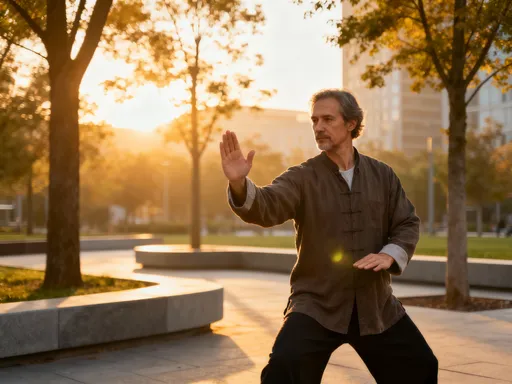
In traditional Chinese medicine, the concept of Qi—pronounced “chee”—refers to the vital life force that flows through the body along pathways called meridians. When Qi moves freely, we feel energized, clear, and resilient. When it becomes blocked or stagnant, due to stress, inactivity, or emotional strain, we experience fatigue, pain, or emotional imbalance. Practices like yoga, tai chi, and qigong are designed to cultivate and circulate Qi, restoring harmony. These traditions emphasize the balance of Yin and Yang—Yin representing rest, receptivity, and stillness, and Yang representing action, energy, and movement. True health, they teach, comes not from constant doing, but from the natural rhythm between activity and rest.
By integrating gentle movement into daily life, we support both physiological and energetic balance. It’s not about achieving perfect poses or mastering complex sequences. It’s about creating space—within the body and the mind—for healing to occur.
My First Real Yoga Session: No Mat, No Problem
I didn’t start yoga in a serene studio with soft music and candles. I started in my living room, wearing pajamas, after yet another sleepless night. I didn’t own a yoga mat—so I used a folded towel. I didn’t know the names of poses—so I followed a short online video labeled “Beginner Yoga for Stress Relief.” The instructor spoke slowly, inviting me to stand tall in Mountain Pose, simply noticing my feet on the floor. At first, it felt awkward. I wasn’t sure if I was doing it “right.” But within minutes, something shifted.
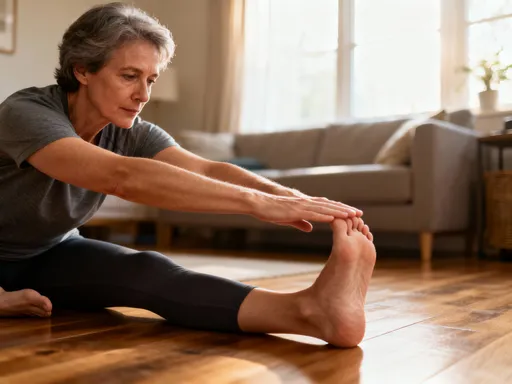
As I moved into Cat-Cow, a gentle spine-stretching sequence done on hands and knees, I became aware of how stiff my back had become from hours of sitting. The slow, fluid motion—arching on the inhale, rounding on the exhale—felt like oiling a rusty hinge. I wasn’t stretching to impress anyone or touch my toes. I was simply moving with my breath, paying attention. After just five minutes, I noticed my shoulders had dropped away from my ears. My breathing had deepened. My mind, usually racing through tomorrow’s to-do list, was focused on the sensation of movement.
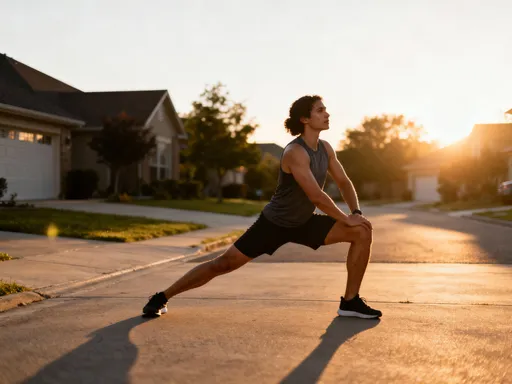
That first session taught me a powerful lesson: yoga is not about performance. It’s about presence. You don’t need special clothing, expensive equipment, or years of experience. What matters is showing up, even for a few minutes. Over time, I began to recognize subtle changes. My posture improved—not because I was trying to stand straighter, but because my body remembered how to align itself. I felt more grounded, less scattered. The practice became less about the poses and more about the space they created—a pause in the day where I could simply be.
For anyone hesitant to begin, I offer this: start where you are. Stand by your kitchen counter and stretch your arms overhead. Sit on the edge of your bed and gently twist your torso. These small movements, done with awareness, are yoga. They count. They matter.
Breathwork: The Secret Tool I Didn’t Expect
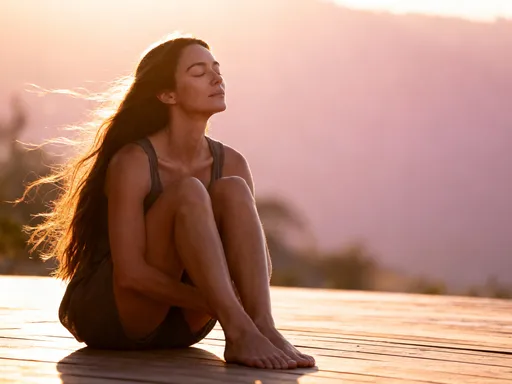
If movement opened the door, breathwork was the key that unlocked it. I had always taken breathing for granted—something automatic, invisible. But I soon learned that how we breathe directly influences how we feel. When stressed, our breath becomes shallow and rapid, centered in the chest. This pattern reinforces anxiety and keeps the nervous system on high alert. Diaphragmatic breathing—deep, slow breaths that engage the belly—activates the vagus nerve, a major component of the parasympathetic nervous system, triggering a relaxation response.
One of the most effective techniques I adopted is the 4-6-8 breathing method. It’s simple: inhale quietly through the nose for a count of four, hold the breath gently for six counts, then exhale slowly through the mouth for eight counts. At first, the extended exhale felt challenging, but with practice, it became soothing. I began using this technique in moments of tension—before a difficult conversation, when overwhelmed by noise, or upon waking with anxiety. Within minutes, my heart rate slowed, my muscles relaxed, and my mind cleared.
This practice resonates deeply with traditional Chinese wellness, where breath is seen as a primary vehicle for cultivating Qi. The ancient texts describe breath as the bridge between body and spirit, the tool through which we can influence our internal state. By breathing slowly and deeply, we invite Qi to flow more freely, dissolving blockages and restoring balance. Unlike quick fixes that mask symptoms, breathwork addresses the root of stress by changing our physiological state in real time.
What surprised me most was how accessible it is. I can practice breathwork anywhere—waiting in line, sitting at my desk, lying in bed. It requires no equipment, no special space, just a few conscious breaths. Over time, this simple act became my anchor, a way to return to center no matter how chaotic life felt.
Meditation Without Stillness: Finding Calm in Motion
For years, I believed meditation meant sitting perfectly still with a blank mind—an impossible feat for someone like me, whose thoughts rarely settled. I tried guided meditations, but my legs would ache, my mind would wander, and I’d end each session feeling like a failure. Then I discovered moving meditation, and everything changed. I learned that meditation isn’t about stopping thought; it’s about cultivating awareness. And sometimes, that awareness is easier to access through movement.
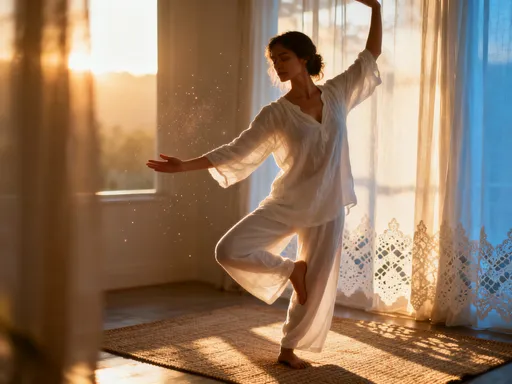
Slow, intentional yoga flows became my form of meditation. Instead of focusing on achieving poses, I focused on the transitions—the way my arms lifted with the inhale, how my weight shifted as I stepped forward. I paid attention to the subtle sensations in my body: the warmth in my palms, the stretch in my hamstrings, the rhythm of my breath. In these moments, my mind had less room to race. It was occupied by sensation, by presence.
This concept is echoed in practices like walking meditation, where each step is taken with full awareness. Even daily activities—washing dishes, folding laundry, stirring a pot—can become meditative when done with attention. The key is not to rush, but to notice: the temperature of the water, the texture of the fabric, the aroma of the food. These ordinary moments, when approached with mindfulness, become portals to calm.
Moving meditation taught me that stillness isn’t always physical. It’s a quality of attention. You can be in motion and still be centered. You can be busy and still be present. This shift in understanding made mindfulness feel achievable, not elusive.
Building a Routine That Actually Sticks
The biggest myth about yoga and meditation is that you need hours of time to benefit. The truth is, consistency matters far more than duration. I didn’t transform my life by doing hour-long sessions every day. I did it by showing up for five minutes, most days. The key was making it easy and attaching it to habits I already had.
I started by pairing my practice with morning tea. While the kettle boiled, I’d roll out my mat—or my towel—and do a few stretches. This tiny habit created a ripple effect. On days I skipped it, I noticed the difference: I felt more reactive, less centered. That awareness became its own motivation. Later, I added a five-minute breathwork session before bed, helping me transition from the day’s demands to restful sleep.
Flexibility is essential. Some days, I have energy for a full sequence. Other days, I simply sit and breathe. The goal isn’t perfection; it’s continuity. I also learned to release guilt on days I miss. Healing isn’t linear. What matters is returning, without judgment. Tracking subtle shifts—better sleep, fewer headaches, a calmer tone of voice—helped me stay committed, even when progress felt invisible.
A sustainable routine is one that fits your life, not one that disrupts it. It doesn’t have to look like anyone else’s. It just has to be yours.
When Progress Feels Invisible—And Why It’s Still Working
There were months when I questioned whether any of this was working. I’d practice daily and still feel anxious. I’d meditate and still have bad days. I’d wonder if I was fooling myself. But I’ve come to understand that healing is often invisible until it isn’t. Like a plant growing underground before it breaks the surface, transformation happens in silence, in repetition, in the small choices we make over time.
I’ve had setbacks—periods of travel, illness, or family stress that disrupted my routine. Each time, I faced the urge to give up, to tell myself I’d “try again later.” But I learned that returning, even after weeks of inactivity, is part of the practice. It’s not about never missing a day; it’s about never staying away for too long. Each return strengthens resilience, not just physically, but emotionally.
What changed wasn’t a single moment, but a series of subtle shifts. I noticed I paused before reacting. I caught myself clenching my jaw and relaxed it. I slept more soundly. I felt more patient with my children, more present with my partner. These weren’t dramatic transformations—they were quiet victories, evidence that the work was taking root.
Healing through yoga and mindful movement isn’t about erasing stress. It’s about changing your relationship with it. It’s about building an inner reservoir of calm you can draw from, even when life is loud. The practice doesn’t promise a life without challenges—but it equips you to meet them with greater clarity, balance, and grace.
Looking back, I see that the journey wasn’t about fixing myself. It was about reconnecting—with my body, my breath, my inner rhythm. Yoga and meditation didn’t give me a new life; they helped me inhabit the one I already had, more fully, more peacefully. These practices are not quick fixes or fleeting trends. They are timeless tools, rooted in ancient wisdom and validated by modern science, for cultivating lasting well-being. If you’re feeling overwhelmed, disconnected, or simply out of balance, know this: you don’t need to change everything at once. Start with one breath. One stretch. One moment of presence. That’s where healing begins. Be gentle with yourself. Trust the process. And remember, the calm you seek is already within you—waiting to be awakened, one mindful movement at a time.