Move Better Every Day: Simple Wins in Physical Therapy for Lasting Health
Living with stiffness, aches, or limited movement? You’re not alone—millions struggle with daily discomfort that holds them back. The good news: small, consistent physical therapy habits can make a real difference. This isn’t about intense rehab or complicated routines. It’s about practical, science-backed moves that fit into real life. Discover how gentle, intentional motion builds resilience, prevents setbacks, and keeps your body functioning at its best—naturally and sustainably.
Understanding Physical Therapy Beyond Injury Recovery
Physical therapy is often misunderstood as a service only for people recovering from surgery, accidents, or serious injuries. In reality, its value extends far beyond rehabilitation. At its core, physical therapy is the science of movement—helping individuals maintain, restore, and improve physical function through guided exercise, education, and body awareness. It is not solely a response to pain or trauma; it is a proactive tool for lifelong health.
Many people believe they do not need physical therapy unless they are in pain or have been diagnosed with a specific condition. This mindset overlooks the preventive power of movement. Just as regular dental visits help prevent cavities, consistent physical activity and body maintenance can prevent mobility issues before they begin. Physical therapists are trained to identify subtle imbalances, poor movement patterns, and muscle weaknesses that may not yet cause pain but could lead to problems over time.
For example, a slight shift in posture or a minor imbalance between the left and right sides of the body might go unnoticed for years. Yet, these small deviations can place uneven stress on joints and muscles, eventually contributing to chronic discomfort or injury. Physical therapy helps correct these issues early, promoting symmetry, balance, and efficient movement. It is not just about fixing what is broken—it is about preserving what works well.
Moreover, physical therapy supports overall health by improving circulation, enhancing joint lubrication, and maintaining muscle strength. These benefits contribute to better energy levels, improved mood, and greater independence as we age. Viewing physical therapy as part of routine health care—like nutrition or sleep—shifts the focus from crisis management to long-term well-being. It empowers individuals to take charge of their physical health before problems arise, leading to fewer limitations and a higher quality of life in the years ahead.
Why Daily Movement Matters More Than You Think
In today’s world, many adults spend hours each day sitting—at desks, in cars, or on sofas. This sedentary lifestyle has profound effects on the body, even for those who exercise occasionally. Prolonged inactivity leads to stiff joints, weakened muscles, and poor circulation, all of which contribute to everyday discomfort. The body is designed to move, and when movement is limited, systems begin to decline. Over time, small deficits in mobility accumulate, making simple tasks—like bending to tie shoes, standing up from a chair, or walking up stairs—increasingly difficult.
Consider the common experience of waking up with stiff shoulders or a sore lower back. While these sensations may seem minor, they are often signs of underlying movement imbalances. When muscles are not regularly engaged through their full range of motion, they shorten and tighten. Joints receive less nourishing fluid, leading to stiffness. Meanwhile, deep muscles that support posture and balance weaken from disuse. These changes happen gradually, so they may go unnoticed until they begin to interfere with daily life.
Research shows that even short breaks in activity—such as sitting for more than 30 minutes at a time—can reduce blood flow and impair metabolic function. Over time, this contributes to fatigue, reduced endurance, and increased risk of musculoskeletal issues. The solution is not necessarily intense workouts, but rather consistent, gentle movement throughout the day. Just as brushing your teeth daily prevents dental decay, regular movement acts as “movement hygiene,” keeping your muscles and joints functioning smoothly.
Movement hygiene involves integrating small, intentional actions into your routine—like standing up every hour, stretching your arms overhead, or shifting your weight from one foot to the other while standing. These micro-movements may seem insignificant, but they play a crucial role in maintaining joint health, improving circulation, and preventing stiffness. Over time, they help preserve your ability to move freely and comfortably, reducing the risk of future limitations. By treating movement as a daily necessity rather than an occasional task, you support your body’s natural ability to heal, adapt, and thrive.
The Power of Simplicity in Long-Term Success
Many people assume that effective physical therapy requires long, structured exercise sessions or complex routines. However, evidence suggests that simplicity and consistency are far more important than intensity or complexity. The most successful long-term habits are those that are easy to perform, require minimal time, and fit naturally into daily life. When routines are too demanding, they often fall by the wayside, especially during busy or stressful periods.
Studies on habit formation show that short, frequent movement sessions are more effective than occasional, intense workouts. For example, five minutes of gentle stretching done three times a day can lead to greater improvements in flexibility and joint health than a single 30-minute session once a week. This is because the body responds well to repetition and consistency. Frequent movement signals to the nervous system that certain ranges of motion are safe and needed, leading to lasting changes in muscle memory and joint function.
Sustainability is key. Choosing exercises that feel manageable and pleasant increases the likelihood of sticking with them over time. A routine that feels like a burden is unlikely to last. Instead, the focus should be on building habits that enhance daily life—such as improving ease of movement, reducing stiffness, or increasing energy. These small wins create positive feedback, reinforcing the behavior and making it easier to continue.
Real-world adherence studies support this approach. Research on older adults, for instance, shows that those who engage in low-effort, high-frequency movement practices—like daily walking, standing balance exercises, or seated stretches—are more likely to maintain their routines over months and years. They also report fewer falls, better mobility, and greater confidence in their physical abilities. The lesson is clear: it is not about doing more, but about doing something small, every day, in a way that can be sustained for life.
Core Daily Habits That Support Physical Function
Building a foundation of movement does not require special equipment or a gym membership. Instead, it begins with a few simple, evidence-based habits that can be done anywhere, at any time. These foundational movements target key areas of physical function: flexibility, posture, balance, strength, and breathing. When practiced consistently, they work together to support overall mobility and reduce the risk of discomfort or injury.
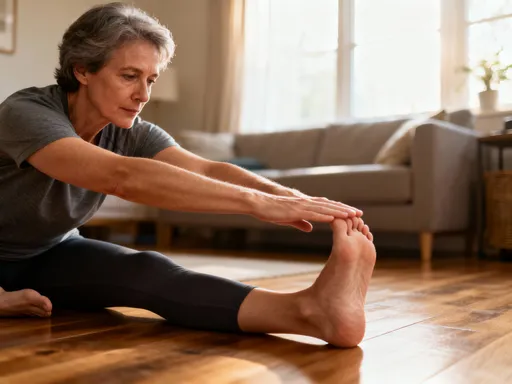
Gentle stretching is one of the most accessible and effective habits. Focusing on major muscle groups—such as the hamstrings, shoulders, and hips—helps maintain range of motion and relieve tension. For example, a simple forward bend while standing or sitting can stretch the lower back and hamstrings. The key is to move slowly and breathe deeply, avoiding any forceful or bouncing motions. Stretching for just two minutes in the morning and evening can make a noticeable difference in how the body feels throughout the day.
Posture awareness is another essential habit. Poor posture—such as slouching at a desk or craning the neck forward while using a phone—places unnecessary strain on the spine and muscles. Practicing neutral alignment, where the ears, shoulders, and hips are stacked vertically, reduces this strain. A simple cue is to imagine a string gently pulling the head upward from the crown. This can be practiced while sitting, standing, or walking. Over time, improved posture leads to less neck and back pain, better breathing, and increased energy.
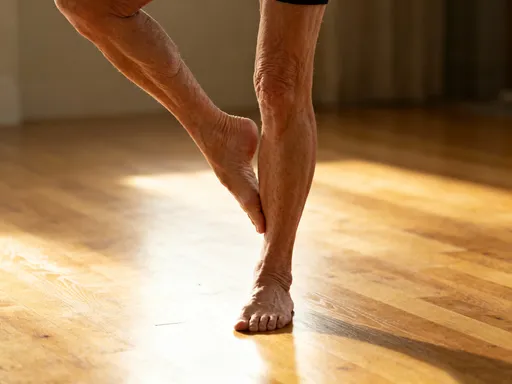
Balance drills are especially important for maintaining stability and preventing falls. Simple exercises, such as standing on one foot while brushing teeth or shifting weight from heel to toe, activate the muscles that support balance. These small challenges help the body stay responsive and coordinated. For added benefit, try closing the eyes briefly during a balance exercise—this increases sensory awareness and strengthens the connection between the brain and muscles.
Light strengthening exercises, such as seated leg lifts or wall push-ups, help maintain muscle tone without strain. These movements support joint stability and make daily tasks easier. Breathing exercises, often overlooked, also play a vital role. Diaphragmatic breathing—deep, slow breaths that expand the belly—helps relax tense muscles, improve oxygen flow, and reduce stress. Practicing this for a few minutes each day enhances both physical and mental well-being.
The goal is not to complete a perfect routine, but to move with intention and awareness. Tracking progress through how the body feels—such as greater ease in bending, turning, or standing—provides meaningful feedback. Over time, these small habits build a resilient, well-functioning body.
How to Build a Routine That Actually Sticks
Starting a new habit is often easier than maintaining it. The key to long-term success lies in making movement a natural part of daily life, not an extra task to check off. One of the most effective strategies is habit stacking—pairing a new movement habit with an existing routine. For example, doing shoulder rolls while waiting for the coffee to brew, or performing a gentle neck stretch while standing in line at the store. These small connections make the new behavior feel automatic and require little extra effort.
Environment design also plays a powerful role. Placing visual cues—such as a sticky note on the bathroom mirror or a yoga mat near the bed—can serve as gentle reminders to move. Keeping comfortable shoes by the door encourages short walks. Reducing barriers, like having a favorite stretching video saved on a phone, makes it easier to begin when time is limited. The easier a habit is to start, the more likely it is to be repeated.
Mindset is equally important. Viewing movement as an act of self-care, rather than a chore or obligation, changes how it is experienced. It becomes a gift to the body, a moment of attention and kindness. This shift in perspective fosters motivation and reduces resistance. It also helps to normalize missed days—no one is perfect, and progress is not linear. The goal is consistency over time, not perfection in the moment.
Simple tools can support this process. A checklist on the refrigerator, a weekly journal, or a phone reminder can help track efforts without adding stress. The focus should remain on effort and awareness, not on counting repetitions or measuring performance. Celebrating small improvements—like reaching the floor more easily or standing up without holding onto the chair—reinforces the value of the habit. Over time, these practices become second nature, woven into the fabric of daily life.
When to Seek Professional Guidance (And Why It Helps)
While self-directed movement habits are valuable, they are not a substitute for professional assessment. A licensed physical therapist brings expertise in identifying movement imbalances, muscle weaknesses, and postural issues that may not be obvious to the individual. These subtle problems, if left unaddressed, can lead to pain or injury over time. A therapist can create a personalized plan based on an individual’s body, lifestyle, and goals, ensuring that exercises are safe, effective, and targeted.
Just as regular check-ups with a doctor or dentist help catch health issues early, periodic visits to a physical therapist can support long-term movement health. These check-ins can identify risk factors before they become problems, such as asymmetrical gait, limited joint mobility, or poor core stability. Early intervention often requires less effort and time than treating a full-blown issue later on.
Professional guidance also ensures proper technique. Even simple movements, if done incorrectly, can lead to strain or imbalance. A physical therapist can provide feedback on form, suggest modifications, and adjust the routine as needed. This personalized support increases confidence and reduces the risk of injury. It also helps individuals stay motivated by providing clear goals and measurable progress.
For those managing chronic conditions—such as arthritis, osteoporosis, or joint pain—a physical therapist plays a crucial role in designing a safe and effective program. They understand how to adapt exercises to accommodate limitations while still promoting strength and mobility. Their input ensures that movement remains a source of support, not strain. Seeking professional help is not a sign of weakness—it is a smart, proactive step toward lasting health.
Living Well: Physical Therapy as a Lifelong Partner
Physical therapy should not be seen as a temporary fix, but as a lifelong partner in health. Just as we prioritize nutrition, sleep, and mental well-being, we must also care for our movement system. The body changes over time—muscles lose strength, joints lose flexibility, and balance can become less stable. But these changes are not inevitable sources of decline. With consistent, mindful movement, it is possible to maintain function, independence, and vitality well into later years.
Regular movement supports more than physical health—it enhances confidence, energy, and emotional well-being. When the body feels strong and capable, daily life becomes easier and more enjoyable. Simple pleasures—like playing with grandchildren, gardening, or traveling—remain accessible. The ability to move freely is a form of freedom, and protecting it is one of the greatest gifts we can give ourselves.
The habits built today compound over time. Five minutes of stretching, a few balance exercises, or a short walk may seem small, but their effects accumulate. Over months and years, they lead to greater resilience, fewer aches, and a body that moves with ease. This is not about achieving perfection, but about showing up for yourself in small, meaningful ways.
Start where you are. Choose one habit—something simple and manageable—and practice it consistently. Let it grow into a routine that supports your life. View each movement as an investment in your future self. And remember: while self-care is powerful, it is always wise to consult a healthcare provider before beginning any new physical routine. With the right support and mindset, lasting health is not just possible—it is within reach.