Why I’m Aging Slower Than My Friends — A Real Talk on Staying Healthy for Life
Have you ever noticed how some people seem to age slower, not just in looks but in energy, mood, and health? I used to wonder the same—until I made small, consistent changes that actually worked. This isn’t about quick fixes or magic pills. It’s about long-term habits that lower disease risk and keep your body strong. After years of testing what really works, I’m sharing the science-backed choices that help me feel better than I did 10 years ago. These aren’t drastic measures, but daily decisions rooted in research, common sense, and a deep commitment to long-term well-being. The truth is, aging doesn’t have to mean decline. With the right approach, it’s possible to grow older while staying vibrant, active, and resilient.
The Truth About Aging and Disease Risk
Aging is often viewed as an inevitable path toward frailty, chronic illness, and loss of independence. While growing older is a natural process, the development of diseases like heart conditions, type 2 diabetes, arthritis, and cognitive decline is not an automatic consequence of age. Research increasingly shows that biological age—how well your body functions at a cellular level—can differ significantly from chronological age, the number of years you’ve lived. Two people born in the same year can have vastly different health trajectories, not because of genetics alone, but because of lifestyle choices made over decades.
Chronic diseases are the leading cause of disability and death worldwide, yet studies suggest that up to 80% of these conditions may be preventable through modifiable behaviors. The World Health Organization and numerous public health institutions emphasize that factors like physical inactivity, poor nutrition, tobacco use, and excessive alcohol consumption are major contributors to premature aging and disease. This means that while we cannot stop time, we can influence how our bodies respond to it. The choices made today—what you eat, how you move, how well you sleep—directly impact your risk for conditions that erode quality of life later on.
One of the most empowering ideas in modern health science is that aging can be slowed at the biological level. Telomeres, the protective caps on the ends of chromosomes, shorten as cells divide, and their length is considered a marker of cellular aging. Studies have shown that individuals who maintain healthy lifestyles tend to have longer telomeres, suggesting a slower rate of biological aging. Inflammation and oxidative stress, two key drivers of aging, are also heavily influenced by daily habits. By reducing these internal stressors through consistent, positive behaviors, it’s possible to support the body’s natural repair systems and delay the onset of age-related decline.
Mindset Shift: From Reactive to Proactive Health
For many, health becomes a priority only after a diagnosis—a wake-up call in the form of high blood pressure, joint pain, or fatigue that won’t go away. This reactive approach, while understandable, often means interventions come too late to fully reverse damage. A more effective strategy is to adopt a proactive mindset, treating health as a lifelong investment rather than an emergency response. Just as regular maintenance keeps a car running smoothly, daily habits preserve the body’s function and resilience over time.
Consider the common experience of dismissing persistent tiredness as “just part of getting older.” While energy levels can naturally shift with age, chronic fatigue is not normal. Similarly, joint stiffness or difficulty climbing stairs shouldn’t be accepted as inevitable. These symptoms are often early signals of underlying imbalances—poor circulation, muscle loss, or inflammation—that can be addressed before they lead to more serious conditions. The shift from ignoring subtle changes to responding early is a cornerstone of long-term wellness.
Proactive health means making choices today that protect your future self. It’s choosing a walk after dinner not because you’re trying to lose weight right now, but because it supports heart health and mobility in 20 years. It’s eating more vegetables not for a short-term diet, but because they nourish your gut and reduce inflammation over time. This long-term perspective requires patience and consistency, but the payoff is profound: a later life defined not by limitations, but by continued engagement, activity, and independence.
Move It or Lose It: The Power of Daily Movement
Physical activity is one of the most powerful tools for healthy aging, yet it’s often misunderstood. Many people associate exercise with intense gym sessions or structured workouts, but the real benefit comes from consistent, everyday movement. The phrase “move it or lose it” isn’t just a catchy saying—it reflects a biological truth. Muscles weaken, joints stiffen, and circulation slows when the body remains inactive for prolonged periods. The good news is that even modest increases in daily movement can have significant protective effects.
Walking is one of the simplest and most effective forms of movement. A daily 30-minute walk has been linked to lower risks of heart disease, improved mood, better blood sugar control, and stronger bones. Unlike high-impact exercises that may be hard on aging joints, walking is low-risk and accessible to most people. Standing up regularly throughout the day—especially for those with desk-based jobs—also plays a crucial role. Prolonged sitting has been associated with increased inflammation, poor circulation, and higher risks of metabolic disorders. Setting a timer to stand and stretch every hour can counteract these effects and keep the body functioning optimally.
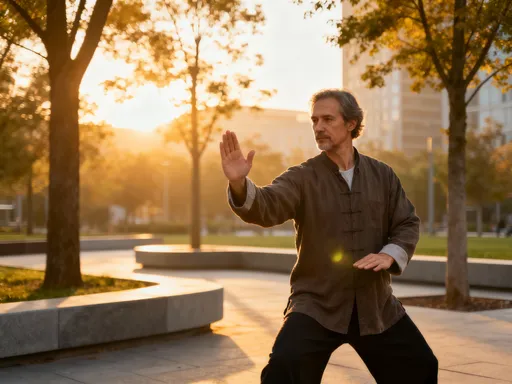
Flexibility and balance are equally important as we age. Simple stretching routines, yoga, or tai chi can improve joint range of motion, reduce the risk of falls, and support daily independence. These activities also promote mindfulness and relaxation, offering both physical and mental benefits. The key is consistency, not intensity. Research shows that people who incorporate small amounts of movement into their daily routines—taking the stairs, gardening, or doing light housework—tend to maintain better physical function and report higher quality of life as they grow older. Movement isn’t just about fitness; it’s about preserving the ability to live fully.
Eat Like Your Future Self Will Thank You
Nutrition is another pillar of long-term health, and the foods you choose have a direct impact on how your body ages. Rather than focusing on restrictive diets or trendy supplements, the most effective approach is to build a sustainable eating pattern centered on whole, minimally processed foods. Vegetables, fruits, legumes, nuts, seeds, whole grains, and lean proteins provide the vitamins, minerals, fiber, and antioxidants needed to support cellular repair, reduce inflammation, and maintain a healthy weight.
The standard Western diet, high in refined sugars, processed carbohydrates, and unhealthy fats, has been linked to increased risks of chronic diseases such as type 2 diabetes, heart disease, and certain cancers. In contrast, diets rich in plant-based foods—like the Mediterranean or DASH eating patterns—have been consistently associated with longer life expectancy and lower rates of age-related illness. These diets emphasize balance, variety, and moderation, making them easier to maintain over time. The goal is not perfection, but progress—making better choices more often than not.
Simple dietary swaps can make a big difference. Choosing water over sugary drinks reduces calorie intake and lowers the risk of insulin resistance. Replacing white bread and pasta with whole grain versions increases fiber intake, which supports gut health and stable blood sugar levels. Adding a serving of vegetables to every meal ensures a steady supply of nutrients without requiring drastic changes. Mindful eating—paying attention to hunger cues, eating slowly, and avoiding distractions—also helps prevent overeating and supports digestion. Over time, these habits create a foundation of wellness that protects against disease and supports energy and vitality.
Sleep: Your Body’s Nightly Reset Button
Sleep is often undervalued, yet it is one of the most critical components of long-term health. During sleep, the body performs essential maintenance: repairing tissues, regulating hormones, clearing waste from the brain, and strengthening the immune system. Poor or insufficient sleep disrupts these processes, increasing the risk of obesity, heart disease, depression, and cognitive decline. For women over 40, changes in hormones can make sleep more challenging, but this makes prioritizing rest even more important.
Most adults need between seven and nine hours of quality sleep per night, but many fall short. Common disruptors include late-night screen use, stress, caffeine consumption in the afternoon, and irregular sleep schedules. The blue light emitted by phones, tablets, and computers suppresses melatonin, the hormone that signals sleep, making it harder to fall asleep. Creating a bedtime routine—such as turning off screens an hour before bed, reading a book, or practicing gentle stretches—can signal to the body that it’s time to wind down.
Optimizing the sleep environment also helps. Keeping the bedroom cool, dark, and quiet supports deeper, more restorative sleep. Limiting caffeine after noon and avoiding large meals close to bedtime can prevent disruptions. For those who struggle with anxiety or racing thoughts, journaling before bed or practicing deep breathing exercises can promote relaxation. Over time, consistent sleep habits lead to improved energy, better mood, and sharper mental focus. Sleep isn’t a luxury—it’s a non-negotiable part of staying healthy as you age.
Stress Management—The Silent Game Changer
Chronic stress is a silent contributor to accelerated aging. When the body is under constant stress, it remains in a state of heightened alert, releasing stress hormones like cortisol and adrenaline. Over time, this can lead to increased inflammation, weakened immunity, higher blood pressure, and disrupted sleep. While acute stress is a normal and even useful response, long-term stress takes a toll on both physical and mental health. The good news is that stress can be managed with simple, science-backed techniques.
Deep breathing, for example, activates the parasympathetic nervous system, which helps the body relax and recover. Taking just a few minutes each day to practice slow, deliberate breaths can reduce tension and improve emotional regulation. Journaling is another effective tool—writing down thoughts and feelings can provide clarity, reduce rumination, and support emotional processing. Spending time in nature, even a short walk in a park, has been shown to lower cortisol levels and improve mood. These practices don’t require special equipment or large time commitments, yet their cumulative effect is powerful.
Personal experience shows that reducing stress leads to noticeable improvements in daily life. Energy levels rise, focus sharpens, and relationships improve when the mind is less burdened by anxiety. Mental well-being is not separate from physical health—it is an integral part of it. By making stress management a regular habit, rather than a last resort, individuals can protect their long-term health and enhance their quality of life. The goal is not to eliminate stress entirely, but to build resilience so that challenges don’t take a lasting toll.
Building Habits That Last: The Real Secret
Many health efforts fail not because the goals are wrong, but because the approach is unsustainable. People often try to overhaul their entire lifestyle at once—adopting strict diets, intense workout regimens, and rigid schedules—only to burn out within weeks. The real secret to long-term success is consistency, not intensity. Lasting change comes from small, manageable steps that become automatic over time. The compounding effect of daily choices—walking a little more, eating a little better, sleeping a little longer—adds up to significant results over years.
Starting small increases the likelihood of success. Instead of aiming to exercise for an hour every day, begin with 10 minutes of stretching or a short walk after meals. Instead of overhauling the entire diet, focus on adding one extra serving of vegetables each day. These tiny shifts are easier to maintain and build confidence for future changes. Habit stacking—linking a new behavior to an existing routine—also improves adherence. For example, doing a few minutes of deep breathing after brushing your teeth in the morning ties the new habit to a well-established one.
Environment plays a crucial role in shaping behavior. Making healthy choices the default option increases the chances of success. Keeping fresh fruit on the counter, placing walking shoes by the door, or setting a reminder to stand up every hour all support positive habits without requiring constant willpower. Progress, not perfection, should be the goal. Some days will be better than others, and that’s okay. What matters is the overall direction. Over time, these small choices create a life where health is not a struggle, but a natural part of daily living.
Long-term health isn’t about drastic overhauls or chasing youth. It’s about making smart, sustainable choices that add up over decades. By focusing on prevention—through movement, nutrition, sleep, and stress control—you’re not just aging slower. You’re building a life where energy, clarity, and strength stay within reach. This is the real win: feeling strong not just today, but for all the years to come. Always remember, it’s never too early or too late to start—and when in doubt, consult a healthcare professional to personalize your path.