How I Mastered My Money While Loving Luxury Fashion
We all love upgrading our style, but what happens when passion for fashion clashes with smart money management? I’ve been there—buying pieces I thought were “investments” only to realize they drained my budget. Over time, I learned how to enjoy high-end fashion without sacrificing financial stability. This is the real talk on balancing desire and discipline, where smart spending meets personal style. The truth is, loving luxury doesn’t mean losing control. With the right mindset and practical tools, it’s possible to wear designer labels while growing your savings, reducing financial stress, and building long-term wealth. This isn’t about deprivation—it’s about intentionality.
The Allure of Fashion and the Hidden Cost
Luxury fashion captivates not just because of craftsmanship or materials, but because of what it represents. A designer handbag, a tailored coat, or a limited-edition sneaker often symbolizes success, taste, and belonging. These items are carefully marketed to appeal to identity and aspiration, making them more than accessories—they become emotional purchases. The psychology behind premium branding is powerful: scarcity, heritage, and exclusivity trigger a sense of urgency and desire. When a brand tells a story of artistry and legacy, it’s easy to believe that owning a piece connects you to that narrative. This emotional resonance can override rational financial thinking, especially when the purchase feels like a reward or a milestone.
However, the emotional high of a new luxury item often fades faster than its resale value. Many consumers assume that because something is expensive, it must hold value. In reality, most designer pieces depreciate the moment they leave the store, much like a new car. Only a small subset—such as iconic handbags from select brands or rare vintage items—retain or appreciate in value over time. The rest, despite their high price tags, are consumable goods. The hidden cost, then, isn’t just the upfront expense, but the opportunity cost: what else could that money have done? If $2,000 is spent on a dress worn three times, that same amount could have grown in a retirement account, paid down debt, or funded a meaningful experience. Understanding this distinction between perceived value and actual financial value is the first step toward smarter fashion spending.
Additionally, the concept of consumption upgrade—often marketed as “treating yourself” or “living your best life”—can quietly reshape financial habits. As income increases, it’s natural to want to improve one’s lifestyle. But without conscious boundaries, this upgrade can become a slippery slope. What starts as an occasional splurge turns into a pattern of regular luxury spending, eroding the financial gains that came with higher earnings. The key is not to reject luxury altogether, but to approach it with awareness. Recognizing the emotional triggers behind purchases—whether it’s stress, celebration, or social comparison—allows for more deliberate choices. When you understand why you want something, you’re better equipped to decide whether it truly aligns with your values and financial goals.
Why Traditional Budgeting Fails the Style-Forward Consumer
Standard budgeting methods often fall short for those who value style and self-expression. Most templates are built around rigid categories like groceries, rent, and utilities, with a vague “entertainment” or “miscellaneous” line for personal spending. For someone passionate about fashion, this approach feels restrictive and out of touch. It treats all discretionary spending as equal, lumping a coffee run in with a designer coat. This one-size-fits-all model ignores the emotional and symbolic weight that clothing carries. When a budget feels too rigid, it’s easy to abandon it entirely—especially when a limited-edition collection drops or a seasonal trend captures your imagination.
The problem isn’t the act of budgeting itself, but the lack of flexibility in most systems. Emotional triggers play a significant role in fashion spending. A compliment on an outfit, an influencer’s post, or a feeling of needing to “refresh” your look can all prompt a purchase. Traditional financial planning often doesn’t account for these moments, treating them as weaknesses rather than natural human responses. As a result, people either suppress their desires and feel deprived, or they give in and feel guilty. Neither outcome supports long-term financial health. The solution lies in designing a budget that respects both financial discipline and personal identity. This means creating space for meaningful spending without compromising savings goals.
A more effective approach is to integrate lifestyle aspirations into financial planning from the start. Instead of viewing fashion as a budget leak, treat it as a legitimate expense category—one that deserves thoughtful allocation. This shift in perspective allows for greater control because it removes the sense of rebellion that often accompanies overspending. When you’ve planned for a luxury purchase, it no longer feels like a deviation from your budget; it becomes part of your financial strategy. For example, if you know a new season’s collection will inspire you, you can begin saving for it months in advance. This proactive method reduces impulsive decisions and aligns spending with income cycles, making luxury feel earned rather than reckless.
Smart Spending: Treating Fashion as a Curated Asset
One of the most transformative shifts in my financial journey was learning to view my wardrobe not as a collection of expenses, but as a curated asset. Just as an investor evaluates stocks based on performance and potential, a savvy fashion consumer can assess clothing based on utility, longevity, and emotional return. This mindset change turns shopping from a reactive habit into a strategic practice. The goal is not to buy less, but to buy better—choosing pieces that serve multiple purposes, elevate your confidence, and stand the test of time. When you approach fashion with this level of intention, each purchase becomes an investment in your personal brand and daily experience.
A key tool in this process is the cost-per-wear calculation. This simple metric divides the price of an item by the number of times you wear it. A $500 coat worn 100 times costs only $5 per wear, making it a highly efficient purchase. In contrast, a $200 dress worn twice costs $100 per wear—more expensive in practical terms. This perspective helps cut through marketing hype and emotional appeal, focusing instead on real-world value. It also encourages versatility: items that can be styled in multiple ways, worn across seasons, or dressed up or down naturally offer higher cost efficiency. Over time, building a wardrobe with low cost-per-wear items leads to both financial savings and reduced decision fatigue.
Another factor to consider is brand longevity and resale potential. While most clothing loses value, certain brands and styles maintain a strong secondary market. Classic designs from heritage labels, limited releases, and well-maintained pieces often retain a significant portion of their original price. Platforms that support resale and authentication make it easier than ever to buy and sell pre-owned luxury items, reducing the net cost of ownership. By incorporating resale into your fashion strategy, you can enjoy high-end pieces at a fraction of the retail price and even profit from well-timed sales. This circular approach not only supports financial sustainability but also aligns with growing consumer interest in responsible consumption.
Building a Financial Buffer for Guilt-Free Indulgence
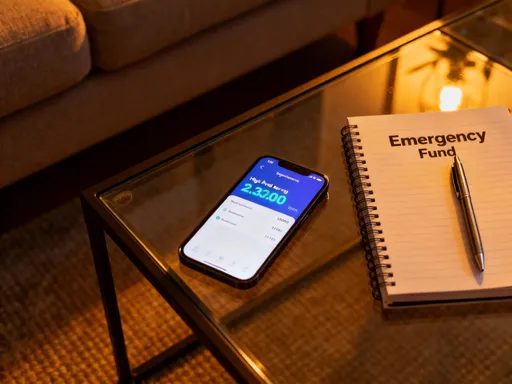
One of the most effective ways to enjoy luxury fashion without financial stress is to create a dedicated “style fund.” This is a separate savings account or allocation within your budget specifically for fashion purchases. The purpose is not to restrict spending, but to make it intentional and guilt-free. When money is pre-allocated for style, you remove the anxiety of overspending and the temptation to dip into emergency savings or go into debt. This fund operates on the principle of delayed gratification: you save first, spend later. The result is a deeper appreciation for each purchase and a stronger sense of control over your financial life.
Setting up a style fund begins with assessing your income and financial priorities. Determine how much you can comfortably set aside each month without compromising essential goals like retirement, debt repayment, or emergency savings. Even a small amount—$50 or $100—can grow over time and provide meaningful flexibility. The key is consistency. Automating transfers to this fund ensures that saving happens before spending, aligning with the “pay yourself first” principle. Over six months, $100 becomes $600; over a year, it becomes $1,200—enough to cover a significant piece without financial strain.
Some people use pre-commitment accounts, where funds are locked until a certain date or goal is met. This adds an extra layer of discipline, especially for those prone to impulse buying. Others prefer a visual tracker, like a savings thermometer, to stay motivated. The psychological benefit of watching your style fund grow cannot be overstated. It transforms waiting into a positive experience, building anticipation rather than frustration. When the time comes to make a purchase, you’re not just buying an item—you’re claiming a reward you’ve earned. This sense of ownership enhances satisfaction and reduces post-purchase regret, a common issue with emotionally driven spending.
Risk Control: Avoiding the Trap of Lifestyle Inflation
As income grows, so does the temptation to spend more. This phenomenon, known as lifestyle inflation, occurs when increased earnings lead to higher spending, often without conscious awareness. What starts as a modest upgrade—a better handbag, a designer watch, a luxury vacation—can gradually expand into a full-scale shift in consumption patterns. The danger lies in its subtlety: each individual purchase feels justified, but the cumulative effect can erode financial progress. Many people find themselves earning more than ever yet saving at the same rate—or even less—because their expenses have risen in tandem.
In the context of fashion, lifestyle inflation often disguises itself as self-care or personal branding. “I work hard, I deserve nice things,” or “I need to look the part for my career” are common justifications. While there’s truth in dressing for success, the line between strategic investment and unchecked spending can blur. Real-world scenarios show how this plays out: a professional receives a promotion and begins updating their wardrobe seasonally, dining at upscale restaurants, and booking luxury getaways. On the surface, this seems like a natural reward. But if these new habits aren’t balanced with increased savings, the financial foundation weakens. Emergency funds shrink, retirement contributions stall, and debt may reappear.
The solution is not to reject lifestyle improvements, but to implement guardrails. One effective strategy is to save a fixed percentage of any income increase before adjusting spending. For example, if your salary goes up by 10%, commit to saving at least half of that increase. This ensures that financial progress keeps pace with lifestyle gains. Another method is to conduct regular spending reviews, comparing current habits to past ones. Are you buying more items than before? Are purchases becoming more frequent or more expensive? These early warning signs allow for course correction before habits become entrenched. By staying mindful of lifestyle inflation, you protect your long-term financial health while still enjoying well-earned rewards.
Practical Tools That Actually Work in Real Life
Financial discipline doesn’t have to be complicated. The most effective tools are often the simplest—ones that fit seamlessly into daily life without requiring constant effort. One such method is the 48-hour rule: when you feel the urge to make a non-essential purchase, wait two days before buying. This short delay disrupts impulsive behavior and allows emotions to settle. In many cases, the desire fades, revealing that the purchase was more about mood than necessity. For those who still want the item after 48 hours, the wait often leads to more thoughtful consideration—researching alternatives, checking reviews, or comparing prices.
Another practical strategy is maintaining a digital or physical wish list. Instead of buying immediately, add desired items to a list and review it monthly. This creates a natural cooling-off period and helps identify true priorities. Over time, you may notice patterns: certain items consistently rise to the top, while others lose appeal. This insight guides more intentional spending. Some people pair this with a “one in, one out” rule: for every new clothing item purchased, one old item is donated. This maintains wardrobe balance and prevents clutter, both physical and financial.
Technology also offers helpful tools. Budgeting apps with custom categories allow you to track fashion spending separately, providing clear visibility into how much you’re allocating to style. Some apps even send alerts when you approach your monthly limit. For those who prefer analog methods, the cash-envelope system can be adapted for fashion. Allocate a set amount of cash to a labeled envelope each month; once it’s gone, no more spending in that category until the next cycle. This tactile approach makes spending feel more concrete and limits overspending. The key is choosing a method that feels sustainable, not punitive. When tools align with your lifestyle, they’re more likely to stick.
The Long Game: Style, Savings, and Sustainable Confidence
True luxury is not measured by labels or price tags, but by freedom—the freedom to make choices without financial anxiety, to enjoy the present without compromising the future. When you master your money while loving fashion, you gain something deeper than a stylish wardrobe: sustainable confidence. This confidence comes from knowing you’re not living beyond your means, that your choices are aligned with your values, and that you’re building a secure foundation for the years ahead. It’s the quiet pride of wearing a coat you saved for, of knowing your emergency fund is intact, of feeling in control even when trends change.
The most fulfilling version of luxury is one that enhances your life without draining it. This means making fashion a part of your financial plan, not a threat to it. It means celebrating personal style while honoring long-term goals. It means understanding that discipline isn’t the enemy of joy—it’s the foundation of lasting joy. Every dollar spent is a vote for the life you want to live. When you spend intentionally, you’re not just buying clothes; you’re investing in a future where style and stability coexist. That’s the real statement piece—one that never goes out of fashion.