How I Upgraded My Budget Game with Smarter Investment Picks
You’re not alone if your budget feels tight despite careful planning. I’ve been there—tracking every dollar, cutting costs, yet seeing little growth. The missing piece? Choosing the right financial products that align with real-life goals. This isn’t about chasing quick wins; it’s about making intentional, informed choices. Here’s how upgrading my product selection transformed my budget from survival mode to sustainable growth—without promises of overnight riches, just practical progress.
The Budget Blind Spot: Why Saving Isn’t Enough
For years, I believed the key to financial health was simply spending less than I earned. I created detailed spreadsheets, categorized every grocery receipt, and celebrated when I stayed under my monthly grocery limit. I felt in control. But after five years of diligent saving, I realized something unsettling: my financial progress had plateaued. My savings account balance grew slowly, but so did the cost of living. What I thought was security was actually stagnation. The quiet thief? Inflation. Over time, inflation diminishes the purchasing power of money, meaning that $10,000 saved today will buy less ten years from now. This erosion happens silently, without monthly statements to alert you. I was budgeting effectively, but my money wasn’t working hard enough to keep pace with real-world expenses.
This realization marked a turning point. I began to understand that budgeting and saving are only the foundation. To build lasting wealth, money must be put to work. The financial products you choose determine whether your savings merely sit or actively grow. Traditional savings accounts, while safe and insured, typically offer interest rates below the national inflation rate. That means, in real terms, your money loses value even as the number on the screen inches up. For example, if inflation runs at 3% annually and your savings account yields 1%, you’re effectively losing 2% of your purchasing power each year. That may seem small, but over a decade, it can significantly impact your ability to afford major life goals—like home repairs, family vacations, or a more comfortable retirement.
The solution isn’t to abandon saving, but to upgrade it. This means shifting from a passive approach to an active one—where every dollar is evaluated not just for where it came from or where it went, but for what it could become. Financial products such as high-yield savings accounts, certificates of deposit, and government-backed bonds offer modest but meaningful improvements over standard savings. They provide a safer entry point into growth-oriented tools without exposing you to the volatility of the stock market. The key is intentionality. Instead of letting money sit in default accounts, you make deliberate choices based on your timeline, risk tolerance, and goals. This shift doesn’t require large sums or expert knowledge—it starts with awareness that saving alone is not a growth strategy.
From Tracking Expenses to Growing Wealth
My journey from budgeting to wealth building began with a simple but powerful question: Where should my money work? For so long, my financial focus had been on subtraction—cutting cable, skipping takeout, canceling unused subscriptions. These habits are valuable, but they only address one side of the equation. True financial progress comes from addition: growing what you have. Once I reframed my budget as a system for allocating resources toward growth, not just restriction, everything changed. I stopped seeing my monthly income as something to be divided solely among bills and groceries, and started viewing it as seed capital for long-term stability.
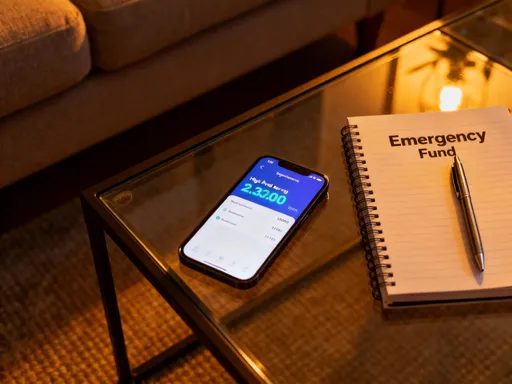
This mental shift allowed me to prioritize not just what I was spending, but where my savings were parked. I began researching financial products with better yield potential, always keeping safety and accessibility in mind. I discovered that many banks offer high-yield savings accounts with interest rates several times higher than traditional ones, often with no additional risk since they’re FDIC-insured. These accounts allowed my emergency fund to earn more without locking up my money. I also explored short-term certificates of deposit (CDs), which offer fixed interest rates for a set period. While early withdrawal penalties exist, these can be effective for funds you know you won’t need for six to twelve months.
The transition wasn’t about abandoning frugality—it was about complementing it. Cutting unnecessary expenses freed up cash, and smarter product choices helped that cash grow. I started treating my budget like a living system: income flows in, essential expenses go out, and the remainder is assigned a purpose—whether it’s building an emergency cushion, saving for a future goal, or beginning to invest. This approach made budgeting feel less like deprivation and more like planning. Instead of asking, “Can I afford this?” I began asking, “How can I make my money work harder for me?” That subtle change in language reflected a deeper change in mindset—one rooted in empowerment rather than limitation.
Matching Products to Your Financial Rhythm
One of the most important lessons I learned was that financial products aren’t one-size-fits-all. What works for someone with a steady paycheck may not suit someone with seasonal income. I made the mistake early on of locking too much of my savings into a long-term CD, only to face an unexpected home repair that required immediate cash. Because the funds were tied up, I had to pay an early withdrawal penalty, which erased most of the interest I had earned. That experience taught me a crucial principle: financial products must align with your cash flow and life rhythm.
To avoid this mismatch, I now categorize my money based on when I’ll need it. I use what’s known as a tiered approach. Money needed within the next three to six months stays in a high-yield savings account—liquid, safe, and earning a little extra. Funds set aside for goals one to three years out might go into short-term CDs or Treasury securities, which offer slightly higher returns with minimal risk. For longer-term goals—like a future family trip or retirement savings—I look at diversified index funds or target-date funds, which offer growth potential over time. This structure ensures that my money is always working, but never in a way that compromises my ability to handle life’s surprises.
Another factor I consider is my income pattern. If your pay varies—perhaps you work part-time, freelance, or rely on seasonal work—it’s even more important to maintain liquidity. I’ve seen women in similar situations hesitate to invest because they fear losing access to their money. But with the right products, you don’t have to choose between growth and flexibility. For example, some online banks offer no-penalty CDs that allow you to withdraw funds after a short waiting period without losing interest. Similarly, money market accounts can provide higher yields than regular savings while still allowing limited check-writing or debit access.
The goal is to create a financial ecosystem where each product has a role. Think of it like a toolbox: you wouldn’t use a hammer to tighten a screw, and you shouldn’t use a long-term investment for short-term needs. By matching the product to the purpose, you protect your progress and make your budget more resilient. This alignment reduces stress and builds confidence, knowing that your money is growing in ways that support, rather than conflict with, your daily life.
Risk Control: Protecting Your Progress
Early in my journey, I got excited by a financial product that promised high returns with “low risk.” I moved a portion of my savings into it, only to watch the value drop during a market dip. Though the product eventually recovered, the experience was nerve-wracking. I realized that I hadn’t fully understood the risks involved. This moment taught me that growth and safety must go hand in hand. No financial gain is worth losing sleep over, especially when you’re working hard to build stability for your family.
Risk control isn’t about avoiding all risk—it’s about understanding and managing it. The first step is diversification. Instead of putting all your money into one product or account, spreading it across different types reduces the impact of any single loss. For example, keeping some funds in a high-yield savings account, some in bonds, and some in a low-cost index fund creates a balanced mix. This way, if one area underperforms, others may hold steady or even gain. Diversification doesn’t guarantee profits or eliminate risk entirely, but it can help smooth out volatility over time.
Liquidity is another critical factor. Emergency funds should always be kept in accessible, low-volatility accounts. I now keep three to six months’ worth of essential expenses in a high-yield savings account that I can reach within a day. This buffer protects me from having to sell long-term investments at a loss during tough times. I also assess my emotional comfort level with risk. If a product makes me anxious, it’s probably not the right fit, no matter what the potential return. Financial decisions should support your peace of mind, not undermine it.
Finally, I pay close attention to fees and terms. Some products advertise high returns but come with hidden costs or complex withdrawal rules. I always read the fine print and ask questions before committing. Protecting your progress means being as thoughtful about what you avoid as what you pursue. With a balanced, informed approach, you can grow your money without sacrificing security.
Real Gains: Where Small Shifts Add Up
One of the most encouraging discoveries I made was that small, consistent changes can lead to meaningful results. I switched my primary savings account from one that paid 0.01% interest to a high-yield option offering 4.00% APY. At first, the difference seemed minor. But over a year, on a $10,000 balance, that shift earned me an extra $399 in interest—money that would have otherwise been lost to inflation. That’s nearly $400 toward a family vacation, home improvement, or added peace of mind.
These gains compound over time. If I continue earning 4% annually and add $200 per month, that account could grow to over $40,000 in ten years, with more than $12,000 coming from interest alone. Compare that to the same scenario in a near-zero interest account, where the total would be significantly lower. The difference isn’t due to earning more income—it’s due to making smarter choices with what I already have. This is the power of compounding: small advantages grow exponentially when given time.
I’ve applied this principle across my financial plan. For example, instead of keeping all my extra funds in checking, I now rotate short-term CDs every few months. This “CD ladder” strategy allows me to earn higher interest while maintaining regular access to portions of my money. I also began contributing to a low-cost index fund through automatic transfers. Even with modest monthly amounts, the long-term growth potential is substantial, especially when reinvesting dividends. These aren’t dramatic moves—they’re practical, sustainable choices that fit within a realistic budget.
The real gain isn’t just in dollars and cents. It’s in confidence. Knowing that my money is working—safely and steadily—makes me feel more in control. I no longer view my budget as a constraint, but as a tool for creating the life I want. And the best part? These strategies are accessible to anyone, regardless of income level. You don’t need a large sum to start. You just need to start.
Tools and Habits for Smarter Decisions
Managing smarter financial products doesn’t require constant monitoring or advanced knowledge. I’ve found that simple, consistent habits make all the difference. Every quarter, I schedule a financial check-in—just one hour to review my accounts, interest rates, and goals. I ask myself: Is my emergency fund still accessible? Are my savings accounts still competitive? Have my goals changed? This regular review keeps me from autopilot mode and ensures my money stays aligned with my life.
I also perform a product audit. I look at each account and ask: What is this doing for me? Is it earning a fair return? Could I get better terms elsewhere? Many people stay in low-yield accounts for years simply because they forget to check. But switching banks or accounts is often easy and free. Online tools allow you to compare interest rates across institutions in minutes. Some even offer bonuses for transferring funds. These small efforts can lead to significant gains over time.
Another habit I’ve built is automating growth. I set up automatic transfers from my checking account to my high-yield savings and investment accounts right after payday. This “pay yourself first” approach ensures that saving and investing happen before I have a chance to spend. I treat these transfers like non-negotiable bills. Over time, this discipline adds up without requiring willpower each month.
Mindset matters, too. I remind myself that financial progress is a marathon, not a sprint. I don’t compare my journey to others, especially those with different circumstances. Instead, I focus on consistency and learning. When I come across a new financial term or product, I take time to understand it—through reputable websites, books, or community workshops. Knowledge builds confidence, and confidence leads to better decisions. These tools and habits aren’t flashy, but they’re effective. They turn smart choices into routine, making financial growth a natural part of daily life.
Building a Budget That Works for You—Not Against You
Today, my budget feels different. It no longer feels like a list of limits, but like a plan for possibility. The right financial products have given me breathing room, confidence, and momentum. I still track my spending and live within my means, but now I also see my money as a partner in building the future I envision. Whether it’s knowing my emergency fund is both safe and growing, or watching my long-term savings gain value through steady investment, I feel more secure and more in control.
This transformation didn’t happen overnight. It came from small, intentional choices—switching accounts, learning about options, adjusting my mindset. I’ve made mistakes, learned from them, and kept moving forward. The goal was never perfection, but progress. And that progress has added up in ways I didn’t expect—not just in dollars, but in peace of mind, flexibility, and hope.
For anyone feeling stuck in a budget that isn’t delivering results, I offer this: look beyond cutting expenses. Explore the products that can help your money grow safely and steadily. Start small. Do your research. Align your choices with your life. You don’t need a finance degree or a six-figure income to make smarter decisions. You just need to begin. When you upgrade your budget with thoughtful product selection, you’re not just managing money—you’re building a foundation for lasting financial well-being. And that’s a game worth upgrading for.